
When it comes to renovating a restaurant, owners often face the challenge of balancing two key factors: functionality and aesthetics. On one hand, the space needs to be practical, making it easy for staff to serve customers efficiently, for the kitchen to run smoothly, and for diners to enjoy a comfortable and pleasant experience. On the other hand, the restaurant’s design must also be visually appealing—attractive to customers, reflective of the brand, and capable of creating the right atmosphere. Striking the perfect balance between these two elements is what separates a good restaurant renovation from a great one.
Understanding the Importance of Functionality
It’s essential to understand why functionality should always be a priority when renovating a restaurant. A space that looks beautiful is important, but it must also meet the day-to-day needs of both the restaurant staff and its customers.
Efficient Kitchen Design
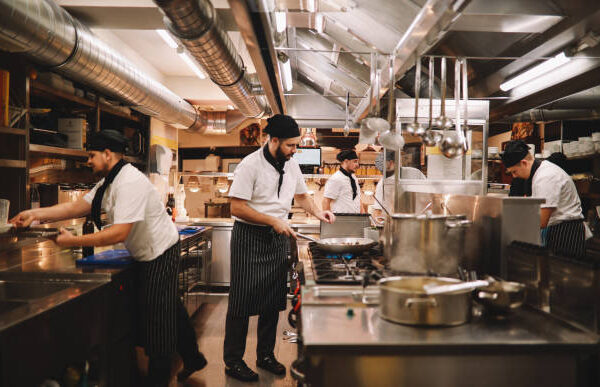
The kitchen is the heart of any restaurant, and if it doesn’t function properly, the entire operation can suffer. For instance, if your kitchen is poorly laid out, your chefs may struggle to move around and prepare food efficiently, leading to delays and a frustrating dining experience for customers. When renovating, it’s critical to consider the workflow in the kitchen, ensuring that it’s designed to support a fast-paced environment. The ideal kitchen layout allows for a logical progression from food prep to cooking to plating, with enough space for all necessary equipment and personnel.
A functional kitchen also involves smart storage solutions. Storage spaces for ingredients, utensils, and equipment should be easy to access, keeping clutter out of the way while maintaining order. Incorporating shelving, cabinets, and walk-in coolers that are strategically placed will make the kitchen a well-oiled machine.
Customer Flow and Seating Arrangements
Another key aspect of functionality is the layout of the dining area. How customers move through your restaurant can directly impact their experience. For example, if the host station is placed too far from the entrance, it may cause a backlog of guests waiting to be seated, which can lead to frustration and longer wait times. Similarly, the placement of tables and chairs should allow for easy movement for both diners and waitstaff.
One way to improve customer flow is by carefully planning the seating arrangement. Consider the types of dining experiences you want to offer, such as intimate booths, large community tables, or smaller two-top tables for quick meals. Ensure that there is enough space between tables to allow customers to move comfortably without feeling cramped. Additionally, the waitstaff should have clear, unobstructed paths to navigate through the space to serve food efficiently.
Restroom Accessibility and Maintenance
Restrooms are another important consideration when it comes to functionality. Customers expect clean, accessible restrooms, and poorly designed or hard-to-find facilities can leave a negative impression. A restroom that’s tucked away in the far corner of the restaurant might be inconvenient for customers, while placing it too close to dining areas can cause unwanted odors or noise. When planning the renovation, make sure to place restrooms in an easily accessible yet discreet location. Additionally, consider materials that are easy to clean and maintain, as hygiene is a top priority for both staff and customers.
Aesthetic Appeal: Creating the Right Atmosphere
While functionality is crucial for day-to-day operations, aesthetics play an equally important role in shaping the customer experience. The right design can create an inviting atmosphere that encourages customers to relax, enjoy their meal, and linger longer, increasing the likelihood of repeat visits.
Color Schemes and Lighting
The first thing customers notice when they walk into your restaurant is the overall ambiance, which is largely influenced by your color scheme and lighting. The colors you choose can have a significant impact on how customers perceive your brand and experience. Warm colors, such as reds, oranges, and yellows, can create a cozy, inviting atmosphere, perfect for casual dining or breakfast spots. In contrast, cooler tones like blues and greens are calming and work well in more upscale or fine-dining establishments.
Lighting also plays a crucial role in creating ambiance. Bright, harsh lighting can make a space feel sterile and unwelcoming, while soft, warm lighting creates a more intimate and relaxed environment. Layering your lighting—using a combination of ambient, task, and accent lighting—helps to add depth to the space. For example, pendant lights over the bar or dimmed sconces along the walls can provide a cozy, intimate atmosphere, while overhead lights can help brighten the dining areas for practical purposes.
Texture and Materials
In addition to color, the textures and materials you use in your design can add visual interest and contribute to the overall feel of your restaurant. For example, if you want to create a rustic, earthy vibe, consider using reclaimed wood, exposed brick, or stone. These materials not only add texture to the space but also tell a story about your restaurant’s character.
On the other hand, if you’re aiming for a sleek, modern design, opt for minimalist materials like polished concrete, glass, or stainless steel. These materials lend themselves well to contemporary dining experiences and can give your restaurant a polished, high-end feel. When selecting materials, make sure they are durable and easy to clean, especially in high-traffic areas like the bar or dining room.
Art and Decor
Incorporating art and decor into your restaurant’s design is an effective way to enhance its aesthetic appeal. Whether it’s a mural, framed artwork, or unique sculptures, art can help set the tone for your space and reflect your restaurant’s brand and concept. For example, a seafood restaurant might feature marine-themed artwork or ocean-inspired color palettes, while a farm-to-table establishment could highlight nature-inspired decor.
In addition to artwork, small decorative elements—such as plants, decorative lighting, or custom-designed furniture—can further elevate the space. Plants, in particular, add a touch of greenery and freshness, making the space feel more inviting and comfortable. Plus, incorporating plants or greenery can give your restaurant a trendy, biophilic look, which has become increasingly popular in recent years.
Finding the Balance Between Function and Form
Now that we’ve discussed the importance of both functionality and aesthetics, let’s focus on how to bring these two elements together in a cohesive and balanced way. Achieving the perfect balance between the two requires thoughtful planning and consideration at every stage of the renovation.
Design with Purpose
When planning your renovation, always keep the functionality of the space in mind, but don’t be afraid to get creative with the design. There’s no reason why the layout and flow of the restaurant can’t also be visually appealing. For example, you can create an open-concept kitchen that allows diners to see the chefs at work, adding an interactive element to the dining experience. Not only does this promote transparency, but it also adds an interesting visual element to the space.
Similarly, you can design custom furniture that’s both functional and stylish. For example, a restaurant that wants to create a cozy, intimate dining experience might choose custom booths with built-in lighting and comfortable seating, allowing guests to enjoy a relaxed meal without sacrificing comfort for style. In this way, every element of your restaurant can contribute to both the functionality and aesthetic appeal of the space.
Design for Flexibility
One way to blend functionality and aesthetics effectively is by designing with flexibility in mind. This is especially important for restaurants that host multiple types of events or cater to a variety of customer needs. For example, if your restaurant offers both casual dining and private events, consider creating modular furniture that can be rearranged to accommodate different group sizes. By investing in flexible furniture and design features, you can create a space that adapts to various purposes while still maintaining an aesthetically pleasing atmosphere.
Incorporating Branding into the Design
Finally, it’s important that your restaurant’s design reflects your brand identity. Your customers should be able to walk into your restaurant and immediately understand what your business is all about, whether that’s through the menu, the decor, or the overall atmosphere. This is where blending functionality and aesthetics truly shines. For instance, if you run a family-friendly pizzeria, your design may include playful, colorful elements that appeal to kids, while still ensuring that the seating arrangement is practical for families. By infusing your brand’s personality into the design, you can create a space that is both functional and visually aligned with your restaurant’s mission.
Blending functionality and aesthetics in a restaurant renovation is not only possible—it’s essential. A well-designed restaurant isn’t just a pretty space; it’s a place where customers feel comfortable, staff can work efficiently, and the overall dining experience is memorable. By carefully considering the practical needs of your space while also incorporating design elements that create the right atmosphere, you’ll be able to achieve a balanced, cohesive look that enhances both the experience for your guests and the success of your business. Whether you’re opening a new restaurant or renovating an existing one, focusing on the harmony between function and form will always yield the best results.