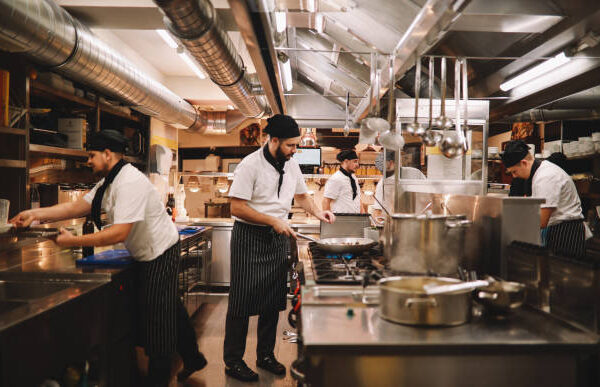

Running a successful restaurant isn’t just about serving delicious food, it’s about managing resources efficiently. One of the most overlooked opportunities for boosting profitability is inventory management. Properly tracking, organizing, and using your ingredients can drastically reduce waste, cut costs, and increase your bottom line. On the Gulf Coast, where fresh seafood and seasonal produce are in high demand, restaurants that master inventory management have a clear competitive edge.
Understanding the True Cost of Waste
Food waste isn’t just a moral or environmental issue, it’s a financial one. When ingredients spoil, get over-ordered, or are mismanaged, the costs quickly add up. Every dollar spent on unused ingredients is money lost that could have gone toward quality ingredients, staff wages, or marketing efforts. Restaurants that track waste patterns can identify which items are consistently over-purchased or underutilized and adjust accordingly.
Moreover, waste can impact your brand reputation. Consistently running out of menu items frustrates customers, while excess waste signals inefficiency that could affect quality. Smart inventory management helps you strike a balance between having enough stock to meet demand and minimizing unnecessary excess.
Implementing Effective Inventory Systems
The first step to smarter inventory management is knowing what you have, where it is, and how quickly it’s being used. Traditional pen and paper methods are no longer sufficient for busy kitchens. Digital inventory management tools allow restaurants to track stock in real time, monitor expiration dates, and forecast future demand based on historical data. These tools can also alert managers when items are low or nearing spoilage, helping prevent over-ordering and under-utilization.
Regular audits are essential. Conducting weekly or even daily checks ensures that your inventory records match the actual stock on hand. This process also highlights discrepancies, shrinkage, and potential theft, issues that can silently erode profits if left unchecked.
Portion Control and Menu Planning
Waste often starts at the plate. Over-portioning can quickly deplete inventory while under-portioning can leave customers unsatisfied. By standardizing portion sizes and training staff to follow them consistently, restaurants can reduce waste while maintaining quality and presentation.
Menu planning also plays a critical role. Ingredients that can be used across multiple dishes increase flexibility and reduce the chance of spoilage. For example, fresh herbs, vegetables, or proteins that appear in multiple menu items can be bought in bulk, used efficiently, and stored appropriately to extend shelf life. Seasonal menu adjustments based on ingredient availability further reduce waste and keep offerings fresh and exciting for customers.
Leveraging Technology for Smarter Stock Management
Modern restaurant technology goes beyond tracking inventory, it can analyze trends and provide actionable insights. Predictive analytics can forecast busy days, seasonal spikes, or slow periods, allowing chefs and managers to adjust orders accordingly. Point of sale systems can track which menu items are selling fastest, helping to optimize inventory purchases and reduce surplus.
Cloud based inventory systems also facilitate better supplier relationships. Restaurants can quickly communicate real-time needs to vendors, place accurate orders, and reduce unnecessary deliveries. This not only saves money but also minimizes the environmental impact of frequent shipments.
Training Staff and Fostering a Waste-Conscious Culture
Even the best systems fail if staff aren’t on board. Training kitchen and front-of-house staff on proper storage, handling, and rotation of ingredients is critical. Encourage a culture where waste reduction is a shared goal. Small practices, like repurposing excess produce for daily specials or composting scraps, can make a significant difference over time.
Additionally, involving staff in inventory tracking fosters accountability. When everyone understands the cost of waste and sees how their actions directly impact profitability, they are more likely to handle ingredients thoughtfully.
The Bottom Line: Waste as Profit
Restaurants that implement smart inventory management turn potential losses into gains. Reducing waste doesn’t just save money, it allows for higher-quality ingredients, more consistent menu offerings, and improved customer satisfaction. It also frees up resources that can be reinvested into other areas of the business, from staff development to marketing initiatives.
On the Gulf Coast, where competition is fierce and margins can be tight, minimizing waste through strategic inventory management is essential. By embracing technology, training staff, and creating flexible, efficient systems, restaurants can transform waste into worth and maximize profit margins, all while serving exceptional food and keeping customers happy.