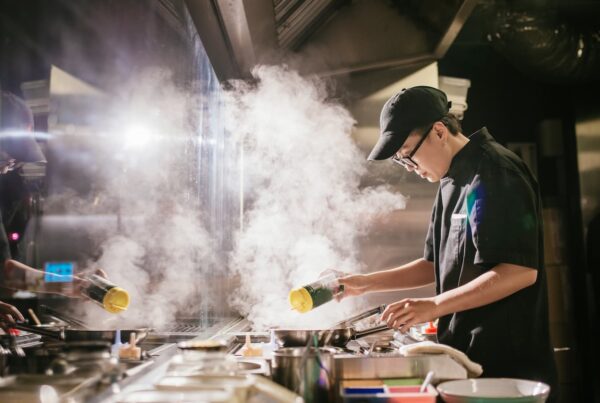

Behind every successful restaurant is a well-organized, efficient back-of-house. While customers rarely see what goes on behind the kitchen doors, the design and flow of this space can make or break a dining experience. A chaotic, cramped, or poorly planned kitchen leads to slower service, frustrated staff, wasted ingredients, and ultimately, dissatisfied guests. On the other hand, a thoughtfully designed and functional workspace transforms the back-of-house into a hub of productivity, teamwork, and creativity. At Restaurant Resolutions, we understand that operational success begins with how the kitchen and support areas are structured, and we specialize in helping owners and managers create back-of-house environments that foster both efficiency and comfort.
Why Back-of-House Design Matters
The kitchen is often described as the heart of a restaurant, and just like a heart, it needs to operate smoothly to keep everything else functioning. If the workspace is disorganized or lacks flow, it creates bottlenecks that ripple outward, affecting every aspect of service. Guests may wait longer for their meals, dishes may be inconsistent, and staff turnover may increase due to unnecessary stress.
Investing in back-of-house design is about more than just aesthetics or compliance. It is about creating a workspace where staff can move freely, tools are within reach, and communication flows naturally. An efficient kitchen layout not only supports productivity but also reduces fatigue and errors, giving chefs and staff more room to focus on quality and creativity.
The Foundations of Functional Kitchen Design
A well-designed kitchen begins with an understanding of workflow. Restaurants operate in a cycle: receiving ingredients, storing them, prepping, cooking, plating, and cleaning. Each step should flow into the next seamlessly, with minimal backtracking or cross-traffic. When spaces are arranged with this natural rhythm in mind, efficiency becomes second nature.
For example, storage areas should be located near the receiving dock to minimize the distance staff must travel with heavy deliveries. Prep stations should be positioned near refrigeration units, while cooking equipment should be placed in a line that allows chefs to work without getting in one another’s way. The dishwashing area should be separated from food prep to avoid contamination but positioned close enough to dining areas to keep clean tableware in circulation.
Designing with these principles ensures that the kitchen works as a system, where every station supports the next and staff can focus on their tasks without constant disruption.
Reducing Stress Through Thoughtful Layouts
One of the biggest challenges in restaurant operations is the physical and mental stress placed on staff. Kitchens are fast-paced environments where mistakes can be costly and tempers can run high. A poorly designed layout only adds to this pressure, forcing staff to bump into one another, search for tools, or navigate unsafe spaces.
Thoughtful design reduces stress by minimizing unnecessary movement and creating a sense of order. Wide aisles prevent collisions, while clearly defined stations establish personal space and responsibility. Proper placement of equipment means cooks can access what they need without leaving their station, while logical storage systems reduce the time spent hunting for ingredients or utensils.
By creating a back-of-house that is comfortable to work in, owners not only support staff productivity but also contribute to employee satisfaction and retention. A calm, organized kitchen allows staff to focus on doing their jobs well, which benefits both the restaurant and its guests.
Ergonomics and Safety in the Kitchen
Functionality is not just about speed—it is also about safety. Kitchens are full of potential hazards, from hot surfaces to sharp knives to slippery floors. An efficient design incorporates ergonomic principles to reduce the risk of accidents and injuries.
Counter heights should be appropriate to prevent back strain, and equipment should be placed within easy reach to minimize unnecessary stretching or bending. Slip-resistant flooring reduces the risk of falls, while proper ventilation improves air quality and temperature control. Adequate lighting ensures staff can work with precision, while strategically placed fire suppression systems and emergency exits keep safety a top priority.
When staff feel safe and supported in their workspace, they can perform with confidence and efficiency, creating an environment that is both productive and secure.
Technology’s Role in Back-of-House Efficiency
Modern kitchens are increasingly turning to technology to improve efficiency. From digital order systems that reduce miscommunication to smart appliances that save energy and track performance, technology is becoming an essential part of back-of-house design.
For example, touch-screen monitors in the kitchen provide real-time order updates, reducing confusion and keeping staff on track. Temperature monitoring systems ensure that food storage areas remain compliant with health standards, while automated inventory systems streamline ordering and reduce waste. Even the layout of kitchen equipment can be enhanced with modular designs that allow for flexibility as menu offerings or staff needs change.
At Restaurant Resolutions, we encourage owners to see technology not as a replacement for staff but as a tool that supports them. By combining smart systems with thoughtful design, restaurants can achieve a balance that maximizes productivity without sacrificing the human element.
The Connection Between Back-of-House and Front-of-House
Though the back-of-house is often hidden from customers, its design has a direct impact on the front-of-house experience. A well-organized kitchen ensures that dishes are prepared quickly, accurately, and consistently, leading to shorter wait times and higher guest satisfaction. Efficient workflows also reduce the likelihood of mistakes, ensuring that guests receive exactly what they ordered.
Beyond food quality and timing, back-of-house efficiency also affects staff morale. When employees feel supported by their workspace, they bring more positivity and professionalism to their interactions with guests. A comfortable and functional kitchen helps create a restaurant culture that shines through in every aspect of service.
Building for Growth and Longevity
Restaurants are constantly evolving, and back-of-house design must be flexible enough to adapt. A layout that works today may become restrictive as the business grows, the menu changes, or new technology becomes available. Designing with scalability in mind ensures that the back-of-house can evolve alongside the restaurant’s success.
Investing in durable equipment, modular layouts, and forward-thinking systems pays dividends over time. Instead of scrambling to reconfigure a kitchen every few years, owners can make adjustments with ease, keeping operations smooth and uninterrupted. By building for longevity, restaurants position themselves for sustained growth and stability.
Conclusion
Back-of-house efficiency is not a luxury—it is a necessity for any restaurant that wants to thrive in a competitive industry. From reducing stress and improving safety to boosting productivity and supporting customer satisfaction, functional kitchen design plays a pivotal role in overall success.
At Restaurant Resolutions, we believe that creating order out of chaos begins behind the kitchen doors. By focusing on workflow, ergonomics, technology, and adaptability, we help restaurants transform their back-of-house into spaces that are both comfortable and efficient. The result is a stronger, happier team, smoother operations, and an elevated dining experience for every guest.