
Running a restaurant is a balancing act between speed, precision, and customer satisfaction. Every plate that leaves the kitchen represents your brand’s reputation, and in a world where customers expect quick service without compromise, efficiency has never been more important. Yet achieving faster service doesn’t have to mean cutting corners. The most successful restaurants have mastered the art of combining streamlined operations with exceptional food quality. Whether you run a high-end dining establishment, a busy café, or a fast-casual concept, fine-tuning your kitchen workflow can boost productivity, improve morale, and enhance the overall dining experience.
Understanding the Importance of Kitchen Efficiency
Efficiency in the kitchen is about more than just speed—it’s about control, consistency, and communication. A well-organized kitchen saves time, reduces waste, and minimizes errors. When chefs, line cooks, and servers can work seamlessly together, customers notice the difference. Faster ticket times lead to happier guests, higher table turnover, and ultimately, increased profits.
However, efficiency doesn’t come from rushing. It’s a result of smart systems, thoughtful design, and effective leadership. A kitchen that prioritizes organization and communication can serve meals quickly without ever compromising taste or presentation. For Gulf Coast restaurants that face seasonal crowds, fluctuating staff levels, and high customer expectations, efficiency is not just a goal—it’s a necessity.
Streamlining Your Kitchen Workflow
Every efficient kitchen begins with layout and workflow design. The way equipment, prep stations, and storage areas are arranged can significantly impact how smoothly the staff operates. Ideally, your kitchen should be structured around the natural flow of service—from prep to plating. This means ensuring that each workstation has easy access to the tools and ingredients it needs, minimizing unnecessary movement and confusion during rush hours.
An effective way to boost workflow efficiency is to embrace the “mise en place” philosophy—a French culinary principle that means “everything in its place.” Chefs who prepare ingredients, sauces, and garnishes ahead of time save valuable minutes during service. When every element is prepped and organized before the first ticket comes in, the kitchen can operate like a well-oiled machine.
For restaurants with limited space, it’s crucial to make every inch count. Vertical storage, mobile prep tables, and multi-purpose equipment can help maximize efficiency without cluttering the workspace. Keep pathways clear and design the line so that team members can move freely without interfering with one another’s tasks.
Leveraging Technology for Faster Service
Modern technology has transformed restaurant operations, and when used correctly, it can dramatically improve kitchen efficiency. Digital ticket systems, automated order tracking, and kitchen display screens (KDS) eliminate confusion and reduce miscommunication between the front and back of house. Orders appear instantly and clearly on screens, helping chefs prioritize tasks and ensuring that dishes are prepared in the right order.
Inventory management software can also streamline prep and purchasing. By tracking ingredients in real time, you can prevent shortages, control food costs, and ensure that your kitchen is always stocked and ready for service. Likewise, smart appliances and programmable cooking equipment can improve consistency and free up time for staff to focus on quality.
Even seemingly small upgrades—like labeling systems, digital thermometers, and energy-efficient equipment—can make a noticeable difference in how smoothly the kitchen runs.
Training and Team Communication
No amount of technology or equipment can replace the value of a well-trained, communicative team. Kitchen efficiency relies on collaboration, and that begins with clear expectations and consistent training. Every team member should understand their role, the menu, and the workflow. Cross-training staff is also a powerful tool—it allows flexibility during busy times and ensures that operations don’t slow down if someone is unavailable.
Regular pre-shift meetings can help reinforce communication between the front and back of house. This is the time to review specials, discuss menu changes, and prepare for potential challenges. Encouraging open communication helps prevent misunderstandings that lead to delays or mistakes during service.
Leadership plays a vital role in creating an efficient kitchen culture. When managers and head chefs lead by example—staying calm under pressure, maintaining organization, and communicating clearly—the entire team follows suit. A positive, well-structured environment fosters productivity and keeps morale high even during the busiest rushes.
Consistency Through Prep and Portion Control
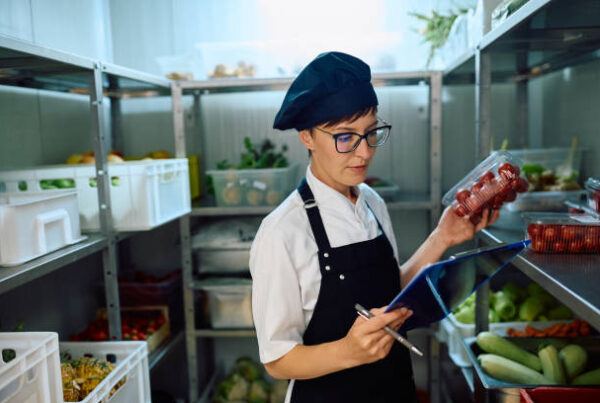
Speed and consistency go hand in hand. The more predictable your process, the easier it becomes to maintain quality at a faster pace. Prepping ingredients in advance ensures that cooks aren’t scrambling to chop vegetables or measure sauces mid-service. Labeling containers and keeping ingredients in standardized portions help maintain consistency and prevent waste.
Restaurants that handle large volumes of orders can benefit from batch cooking certain menu items. For example, soups, sauces, and sides that hold well can be prepared in advance and kept warm until service. Just be sure to maintain proper storage and temperature controls to ensure food safety and quality.
Standardizing recipes and plating procedures is another key to speed and reliability. When every cook knows exactly how a dish should look, taste, and be presented, it minimizes confusion and reduces the need for corrections.
Managing Rush Hours and Peak Times
Every restaurant has peak hours, and how your kitchen handles them determines overall success. Planning ahead for these rushes can make the difference between chaos and calm. Analyze your busiest times, staff accordingly, and schedule prep work to be completed before the crowd hits.
During service, it helps to have one designated “expediter”—a team member responsible for coordinating orders, checking plates before they leave the kitchen, and maintaining communication with servers. This role ensures accuracy, consistency, and timing, keeping the entire process organized even when tickets are flying in.
After each rush, take a moment to regroup and reset. Wipe down stations, restock supplies, and make sure everyone has what they need for the next wave. Efficiency isn’t just about speed—it’s about maintaining momentum throughout the day without burning out your team.
Maintaining Quality Under Pressure
The biggest fear when pushing for faster service is that quality will slip. But efficiency doesn’t mean cutting corners—it means eliminating wasted effort. Quality control should be built into every step of the process.
Teach staff to work cleanly and methodically, even during busy periods. Rushing leads to mistakes, and mistakes take longer to fix than doing things right the first time. Encourage chefs to take pride in consistency, not just speed. The goal is to serve excellent food, quickly and confidently, every time.
Regular quality checks can help maintain standards. Tasting dishes, monitoring presentation, and gathering customer feedback all provide valuable insights into where improvements can be made.
Reducing Waste and Maximizing Profit
Efficiency isn’t just about time—it’s also about resource management. Reducing waste is one of the easiest ways to save money while improving operations. Monitor portion sizes, use trimmings creatively, and track spoilage carefully. An efficient kitchen uses every ingredient to its fullest potential.
Reevaluating your menu can also help streamline service. Focus on dishes that are popular, profitable, and practical to prepare. Overly complex menus slow down kitchens and create bottlenecks during service. Simplifying doesn’t mean lowering quality—it means being strategic about what you serve and how it’s executed.
Creating a Culture of Continuous Improvement
The most efficient restaurants never stop refining their process. They encourage feedback from staff, test new systems, and adjust based on experience. Small changes—like reorganizing a prep station or changing the timing of deliveries—can yield big results over time.
Recognize and reward your team for their contributions to efficiency. When employees feel valued and see that their ideas make a difference, they’re more motivated to work hard and maintain high standards. A strong, cohesive kitchen team is the foundation of every successful restaurant.
Final Thoughts: Efficiency Without Sacrifice
At the end of the day, efficiency isn’t just about speed—it’s about delivering an outstanding dining experience with precision, consistency, and care. The most successful restaurants know that a well-organized kitchen is one where every task, every tool, and every team member works in harmony.
On the Gulf Coast, where locals and visitors alike expect exceptional service and fresh, flavorful food, mastering efficiency is what separates good restaurants from great ones. By investing in thoughtful systems, training your team, and maintaining a culture of continuous improvement, your kitchen can serve faster, waste less, and keep quality front and center.
Restaurant Resolutions is here to help restaurant owners and managers build better, more efficient businesses. Because when your kitchen runs smoothly, everything else falls into place.