
When it comes to running a successful restaurant, the kitchen serves as the heart of the operation. A well-designed kitchen not only enhances workflow and efficiency but also directly impacts food quality, staff morale, and overall customer satisfaction. In this blog post, we will explore the critical elements of kitchen design and provide actionable tips for optimizing your restaurant’s kitchen layout, ensuring that your culinary team can perform at their best.
Understanding the Role of Kitchen Design
A restaurant kitchen is more than just a space for cooking; it’s where creativity meets functionality. The design of your kitchen significantly influences how quickly and efficiently meals are prepared, how staff interacts, and ultimately, how customers perceive their dining experience. A well-thought-out kitchen layout minimizes unnecessary movement, allowing chefs and staff to work more efficiently. When tasks can be completed with minimal backtracking, it leads to faster service and improved food quality. Conversely, a poorly designed kitchen can lead to chaos and delays, negatively affecting both staff morale and customer satisfaction.
Kitchen design plays a vital role in food safety. Properly designated areas for food preparation, cooking, and washing can help prevent cross-contamination and ensure compliance with health regulations. A clean, organized kitchen not only protects your customers but also helps you maintain your reputation in the industry. Additionally, a well-designed kitchen promotes a positive working environment. When staff can move freely and work efficiently, they are more likely to feel satisfied and engaged in their roles. This positive atmosphere can lead to lower turnover rates and better overall service, contributing to a more enjoyable dining experience for your customers.
Key Elements of Kitchen Design
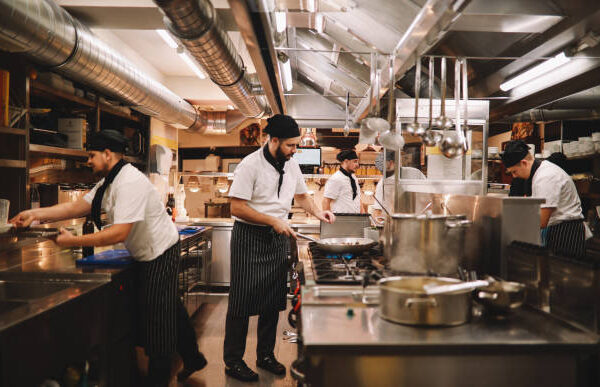
When designing or renovating your restaurant kitchen, several key elements should be considered to maximize efficiency and functionality. One of the most crucial aspects is the creation of distinct workflow zones within the kitchen. These zones should include areas for receiving deliveries, storing ingredients, preparing food, cooking, and serving. By clearly defining these zones, you can streamline the cooking process and reduce unnecessary movement, allowing your kitchen staff to focus on delivering high-quality meals.
The placement of equipment is also critical in optimizing workflow. Consider the proximity of frequently used equipment to prep and cooking areas to minimize movement. For example, having a cutting board adjacent to the stove can save time during meal preparation. Utilizing vertical space by installing shelves or racks can keep essential tools and ingredients within easy reach, reducing clutter on countertops. Additionally, ensuring there are ample work surfaces for food prep, plating, and assembling dishes is vital; stainless steel tables are ideal as they are easy to clean and resistant to bacteria.
Traffic flow within the kitchen is another essential factor to consider. A well-designed kitchen should allow for smooth movement without hindrance. It’s important to ensure that pathways between different zones are clear and wide enough to accommodate multiple staff members working simultaneously. Creating designated paths for transporting ingredients and finished dishes helps reduce the risk of collisions and accidents.
Ergonomic design is key to creating a comfortable work environment that minimizes fatigue and injury. Ensuring countertops are at a comfortable height for staff allows for efficient chopping and mixing without straining. Additionally, placing frequently used items within easy reach helps reduce unnecessary bending or stretching. Encouraging the use of comfortable, supportive footwear can further enhance staff comfort during long shifts.
Good lighting is essential in a kitchen setting for both safety and efficiency. Installing bright task lighting above work surfaces ensures that staff can see clearly while preparing and cooking food. Softer ambient lighting in less critical areas can create a more comfortable atmosphere during quieter times.
The Importance of Technology in Kitchen Design
Incorporating technology into your kitchen design can further enhance workflow and efficiency. Investing in smart kitchen appliances can improve operations and reduce energy costs. For instance, ovens with built-in monitoring systems can alert chefs when food is ready, reducing the risk of overcooking. Utilizing technology for inventory management can streamline ordering and tracking supplies, helping to prevent food waste by alerting staff when stock is running low or nearing expiration dates. Implementing a Kitchen Display System (KDS) can replace traditional paper tickets, providing real-time order updates to kitchen staff, reducing confusion, and streamlining communication between the front and back of the house.
Budget-Friendly Renovation Tips
If you’re looking to optimize your kitchen design on a budget, several cost-effective strategies can help. Start by identifying high-impact areas that require immediate attention. Sometimes, simple updates, such as reorganizing storage or improving workflow, can have a significant impact without requiring a full renovation. Instead of purchasing all new equipment, consider refinishing or updating existing appliances. A good cleaning, fresh paint, or minor repairs can breathe new life into your kitchen without a significant investment.
If you have skilled staff, consider implementing DIY solutions for minor renovations. Simple projects, like building additional shelving or reorganizing the storage layout, can save money while improving efficiency. Additionally, partnering with experts like Restaurant Resolutions can help you develop a renovation plan that aligns with your goals and budget. Our team can assess your current kitchen layout and provide tailored recommendations for optimizing efficiency.
The Role of Staff Training
Even with the best kitchen design, staff training is essential for maximizing efficiency. A well-designed kitchen is only effective if your staff knows how to utilize it properly. Implementing comprehensive orientation and training programs for new staff familiarizes them with the kitchen layout and equipment, ensuring they understand how to navigate the space efficiently. Regularly providing training sessions focused on best practices for kitchen operations—such as food safety, equipment usage, and time management—can equip your team with the skills they need to succeed.
Encouraging a collaborative environment fosters communication and teamwork among staff. By promoting the sharing of tips and tricks for efficiency, you can create a culture of continuous improvement.
Measuring Success
Once you’ve implemented your kitchen design changes, it’s important to measure their success. Monitoring the speed of service during peak hours can reveal if improvements have been made. Are orders being fulfilled more quickly? Are there fewer delays? Additionally, soliciting feedback from your kitchen staff regarding the new layout and design is vital. Are they finding it easier to work? Are there any areas still causing issues? Keeping track of customer reviews and feedback regarding their dining experience can also provide insight. A well-functioning kitchen should result in improved food quality and service, leading to higher customer satisfaction.
A Joy to Work In
A well-designed restaurant kitchen is essential for optimizing workflow, enhancing food safety, and boosting staff morale. By focusing on key elements such as workflow zones, equipment placement, traffic flow, and ergonomics, you can create a space that allows your culinary team to thrive. Incorporating technology and staying mindful of budget constraints can further enhance your kitchen’s efficiency. Finally, ongoing staff training is crucial for ensuring that your team can fully utilize the kitchen’s design and operate smoothly.
At Restaurant Resolutions, we specialize in helping restaurants like yours optimize their kitchen designs. With our expertise, you can create a functional and inviting kitchen space that supports your culinary vision and delights your customers. Let’s work together to ensure your restaurant’s kitchen is not only efficient but also a joy to work in!