
The Real Bottom Line Begins With the Blueprint
When most people think about restaurant profitability, they picture the quality of the food, the friendliness of the staff, and the clever marketing strategies that draw crowds in. And while all of those things are certainly important, there’s one essential element that often gets overlooked: your floor plan.
The layout of a restaurant can quite literally make or break your business. It’s the physical foundation on which everything else operates. The wrong design can bottleneck your kitchen, frustrate your staff, slow down your service, and kill your customer experience—all while quietly draining your profits. On the other hand, a well-thought-out floor plan can improve flow, boost sales, increase table turnover, and even enhance your brand perception.
So how does your floor plan actually affect your bottom line? And what should you be thinking about when designing (or redesigning) your space to boost profitability? Let’s dig in.
Where Form Meets Function
When a guest walks into your restaurant, the first thing they notice is the ambiance—the vibe, the lighting, the spacing, the atmosphere. But none of that works unless the functional elements behind the scenes are in sync.
A great floor plan bridges aesthetics and operations. It creates an environment that is not only beautiful but efficient. From the moment a customer enters, to the time they pay the bill, every movement they make—and every movement your staff makes—should be smooth and intentional. That’s where true profitability starts.
It’s not just about fitting as many tables as possible into a room. It’s about creating a flow that aligns with your restaurant’s unique rhythm. Whether you’re running a fine dining establishment, a casual café, or a fast-paced counter-service spot, the layout needs to serve the specific way your restaurant operates. When form meets function, you reduce waste—in time, in motion, and in resources.
Kitchen Flow and the Power of Proximity
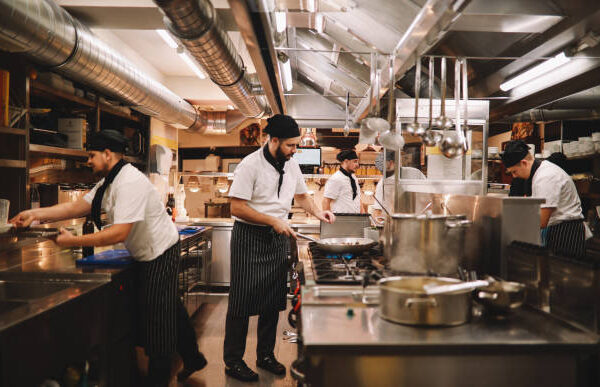
One of the most critical aspects of your floor plan is your kitchen configuration. The kitchen is the beating heart of your operation, and how well it functions depends heavily on its integration with the rest of your space.
If the kitchen is too far from the dining area or separated by multiple barriers, your servers lose time navigating the space. Every extra step adds up—leading to slower ticket times, lower table turnover, and frustrated customers. Worse, poorly designed kitchen access can lead to traffic jams between cooks and waitstaff, increasing the risk of accidents and communication breakdowns.
The most profitable restaurants are the ones that recognize this and position their kitchen not just for convenience but for performance. Proximity between the cooking line, expediting station, and service floor allows your team to work in harmony. A kitchen that’s designed with natural flow allows food to come out faster, fresher, and with fewer mistakes. That kind of operational excellence translates directly into customer satisfaction and return business.
Front of House: Spacing That Sells
The spacing of your front-of-house layout is another place where profitability often hides in plain sight. It’s tempting to cram in more tables under the assumption that more seats equal more money—but that’s not always the case.
If your tables are too close together, it can make the dining experience uncomfortable for guests. It may even lead to them staying for a shorter time or not coming back at all. On the flip side, if there’s too much space, you may be missing out on revenue opportunities.
Finding that sweet spot is a combination of data, observation, and intuition. How long do your guests typically stay? How many turns per night do you usually get? What kind of dining experience are you promising? For example, a fine dining restaurant might benefit from fewer tables with more luxurious spacing, while a casual lunch spot can afford to place tables a little closer together to accommodate a faster pace.
A profitable layout is one that balances customer comfort with efficient table turnover. It lets guests enjoy their meal without feeling rushed but also ensures you’re maximizing the space during busy shifts.
Waiting Areas and Entry Flow
First impressions matter, and that begins the second a guest steps through your door. A poorly designed entryway that feels cramped, confusing, or chaotic can set the tone for the entire dining experience.
Having a dedicated and well-placed waiting area—especially in high-traffic restaurants—is a small touch that goes a long way. It gives guests a comfortable space to land, minimizes awkward crowding near the host stand, and provides an opportunity for them to look around and start engaging with your restaurant’s vibe before they’re even seated.
In some setups, the waiting area can even become a mini profit center. Think bar seating, a lounge, or a retail corner with branded merchandise. If you make it part of the experience rather than an afterthought, your entry space can contribute directly to your revenue.
Don’t Underestimate the Restrooms
Restrooms may not be glamorous, but they matter more than most owners realize. A poorly located or difficult-to-find bathroom can frustrate guests, while cramped or unsanitary facilities can leave a lasting negative impression.
From a floor plan perspective, restrooms need to be easy to access without breaking the atmosphere of the main dining area. That means locating them along logical paths, away from high-traffic service routes, and ensuring there’s enough space to keep them clean, accessible, and aligned with the overall feel of the restaurant.
A well-designed restroom area supports the overall flow and ensures that guests don’t feel lost, rushed, or turned off. It’s one of those behind-the-scenes elements that quietly supports customer satisfaction—and therefore, profitability.
Layout and Staff Morale
It’s not just customers who are affected by the floor plan—your staff lives and breathes in this space. A confusing or inefficient layout can lead to stress, burnout, and high turnover. When employees are constantly dodging each other, navigating around awkward corners, or dealing with long treks between stations, it creates friction and frustration.
On the other hand, when the layout supports the natural flow of service, your staff moves with confidence and speed. Their morale improves. Communication gets easier. Training new team members becomes less of a challenge.
And here’s the kicker: happy staff members provide better service. They engage more with guests, upsell more naturally, and stick around longer. That kind of positive cycle pays off in every direction—and it all begins with how your space is designed.
Designing for Technology and Takeout
In today’s restaurant landscape, it’s no longer enough to only design for dine-in guests. With the explosion of online ordering, curbside pickup, and delivery services, your layout has to accommodate these trends—or risk being left behind.
That means integrating clear, separate spaces for pickup and takeout orders. It means creating staging areas for delivery drivers to wait without interrupting the dine-in flow. And for fast-casual or counter-service restaurants, it could mean rethinking how customers move through the ordering and pickup process altogether.
Designing for technology-driven dining isn’t just a bonus anymore—it’s a necessity. When your floor plan can flex to meet the needs of digital diners and in-person patrons alike, you open up new revenue streams without sacrificing your core experience.
The Psychology of Design
Subtle design choices influence guest behavior, often without them even realizing it. For example, how and where you place the bar can determine whether guests order a second drink. Where the kitchen pass is located can either create buzz or cause disruption. Lighting, acoustics, furniture arrangement—they all play a role in how long people stay, how much they order, and whether they return.
A good floor plan doesn’t just guide movement—it also guides mood. It creates comfort zones, excitement zones, and natural rhythms. It encourages longer stays at higher-ticket tables while maintaining efficiency in your faster-turn areas. These psychological cues are incredibly powerful—and they all start with how your space is laid out.
Reworking Your Floor Plan: When, Why, and How
If your restaurant has been open for a while and you’re noticing issues like long wait times, staff burnout, or stagnant revenue, your floor plan might be part of the problem. But the good news is that it can also be the solution.
Reworking your layout doesn’t always mean tearing everything down and starting over. Sometimes, small shifts—like moving a service station, reconfiguring table sizes, or adding a pickup zone—can make a huge impact.
Before making any changes, spend some time observing your space in action. Watch how guests move. Track how long it takes for dishes to get from the kitchen to the table. Talk to your team. Then bring in a professional designer or layout specialist who understands not just aesthetics, but operations.
A strategic redesign can unlock profitability you didn’t even know was being left on the table.
Final Thoughts: Profits Start With Planning
At Restaurant Resolutions, we’ve seen firsthand how the right floor plan transforms more than just a space—it transforms your entire business. It’s the quiet engine behind great service, smooth operations, and happy guests. It’s the difference between a restaurant that just looks good and one that runs like a dream.
So, if you’re opening a new restaurant or thinking about refreshing your current one, don’t treat your floor plan like an afterthought. It’s not just about where the tables go—it’s about where your profits begin.